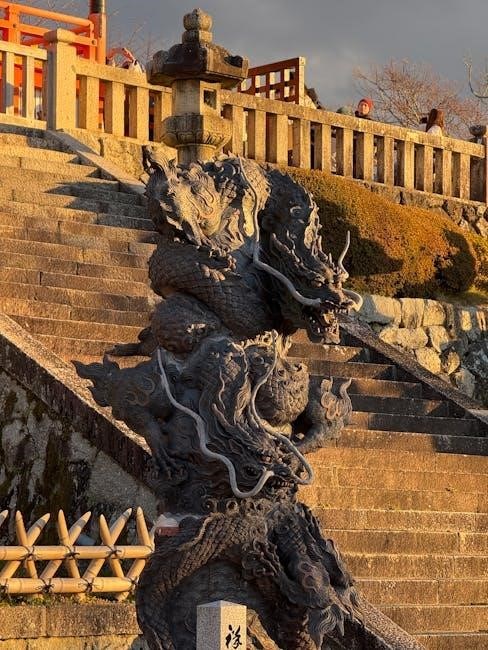
Dragons, magnificent and fearsome, consistently appear across diverse cultures, hinting at a shared, archetypal origin rooted in humanity’s collective unconsciousness.
These legendary creatures, explored since at least 2025, embody both villainy and guardianship, captivating imaginations for millennia, as documented by HISTORY.
Their prevalence suggests ancient peoples instinctively recognized and crafted a powerful, symbolic figure, reflecting fundamental human anxieties and aspirations.
The Ubiquity of Dragons in Mythology
Dragons transcend geographical boundaries, appearing in the mythologies of nearly every culture worldwide, a testament to their enduring symbolic power. From the serpentine deities of ancient Mesoamerica to the majestic, benevolent lung of East Asia, these creatures consistently capture the human imagination.
The HISTORY article highlights how this widespread presence suggests a deeply ingrained, archetypal understanding of dragons, possibly stemming from shared ancestral memories or universal psychological patterns. This isn’t merely coincidence; it’s a recurring motif.
Early depictions often portray dragons as chaotic forces, representing the untamed wilderness and the dangers lurking beyond civilization. However, they also frequently embody power, wisdom, and protection, serving as guardians of sacred sites or symbols of imperial authority.
The consistent appearance of dragons, even with vastly different characteristics, points to a fundamental human need to grapple with concepts of power, danger, and the unknown, solidifying their place in global storytelling.
Brief History of Dragon Lore
Dragon lore boasts a history stretching back millennia, with early examples appearing in ancient Mesopotamian and Egyptian art and mythology. These primordial depictions often featured serpentine creatures embodying chaos and the forces of nature. As civilizations developed, so too did the complexity of dragon symbolism.
The Greeks and Romans adopted and adapted these earlier traditions, portraying dragons as formidable adversaries and guardians of treasure. The HISTORY article suggests this evolution reflects a continuous process of cultural exchange and reinterpretation.
Medieval Europe saw the rise of the Western dragon – a winged, fire-breathing reptile often associated with evil and destruction. Simultaneously, in East Asia, dragons were revered as benevolent deities controlling weather and bestowing prosperity.
Throughout the centuries, dragons have remained potent symbols in art, literature, and folklore, constantly evolving to reflect the changing beliefs and anxieties of each era, cementing their enduring legacy.

Dragon Anatomy and Physiology
Dragons, though mythical, possess imagined anatomies enabling extraordinary feats. Their physiology, often involving fire production and sustained flight, sparks endless fascination and detailed speculation.
Understanding these aspects is crucial for appreciating the creature’s power.
Scales, Wings, and Claws: Physical Characteristics
Dragon scales, arguably their most iconic feature, aren’t merely protective armor but integral to their physiology. Often depicted as incredibly durable, these scales vary dramatically in color – from shimmering golds and emeralds to obsidian blacks and ruby reds – reflecting habitat and lineage.
These scales aren’t uniform; some portrayations show overlapping plates, while others suggest a more granular texture; Their composition is often imagined as being akin to incredibly dense keratin, or even possessing metallic properties, granting resistance to both physical and magical attacks;
Wings, essential for flight, are equally diverse. Bat-like wings, leathery and supported by elongated fingers, are common in Western depictions. Eastern dragons frequently sport feathered wings, suggesting a more graceful, serpentine flight style. The size and span of these wings directly correlate to the dragon’s size and aerial maneuverability.
Finally, claws – powerful, curved, and razor-sharp – serve multiple purposes. They’re used for gripping terrain, tearing prey, and as formidable weapons in combat. The material composition mirrors the scales, ensuring durability and inflicting maximum damage. These physical attributes combine to create a creature of immense power and imposing presence.
Internal Systems: Fire Production and Flight
Dragon fire production remains a subject of much speculation, but several theories prevail. One suggests a dual-chambered organ, similar to a bombardier beetle, mixing volatile chemicals that ignite upon expulsion. Another posits an internal furnace fueled by specialized glands and a highly flammable gas produced through digestion.
This internal combustion is often linked to a secondary organ acting as an igniter, potentially utilizing piezoelectricity or a similar mechanism. The ability to control the intensity and type of flame – from a focused jet to a widespread inferno – indicates a complex muscular and neurological system regulating this process.
Dragon flight, equally enigmatic, likely relies on a combination of physiological adaptations. Hollow bones, similar to birds, reduce weight. Powerful chest muscles drive the wings, while specialized air sacs enhance oxygen intake and buoyancy. Aerodynamic scale arrangements and a streamlined body shape further contribute to efficient flight.
Furthermore, some theories suggest dragons manipulate localized gravitational fields, aiding lift and maneuverability, though concrete evidence remains elusive. These internal systems work in harmony, enabling dragons to dominate both the skies and the land.
Dragon Senses: Sight, Smell, and Hearing
Dragon sensory perception far surpasses that of most creatures. Their eyesight is exceptionally acute, capable of discerning minute details at vast distances, even in low-light conditions. Many species possess binocular vision, granting exceptional depth perception crucial for aerial maneuvers and precise attacks.
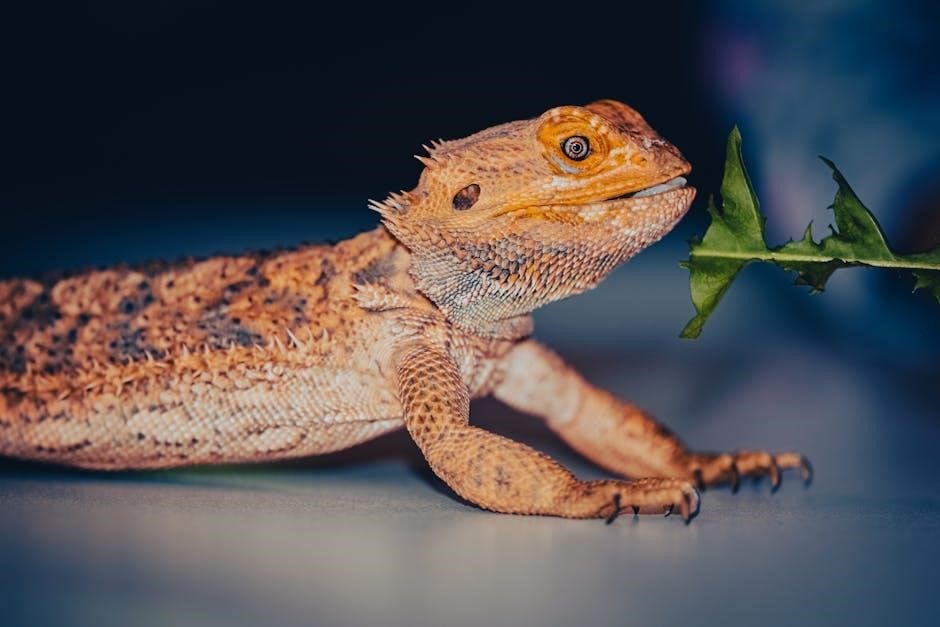
Furthermore, some dragons exhibit tetrachromatic vision, perceiving ultraviolet and infrared light, allowing them to track prey and navigate in diverse environments. Olfaction is equally refined; dragons can detect subtle scent trails over considerable distances, identifying prey, rivals, and potential threats with remarkable accuracy.
Their sense of smell is often linked to the Jacobsonian organ, enhancing their ability to analyze chemical signals. Dragon hearing is similarly advanced, capable of detecting a wide range of frequencies, including infrasound and ultrasound.
This allows them to sense approaching storms, detect subterranean movements, and communicate with others of their kind over long distances. These heightened senses collectively contribute to a dragon’s dominance and survival.
Types of Dragons Across Cultures
Dragon depictions vary globally, reflecting unique cultural beliefs and historical influences. From formidable European wyverns to benevolent Eastern serpents, each tradition offers distinct characteristics.
These diverse representations reveal fascinating insights into humanity’s enduring fascination with these mythical beings and their symbolic power.
European Dragons: Western Traditions
European dragons, deeply embedded in Western folklore, are often portrayed as colossal, winged reptiles, embodying chaos and destruction. Unlike their Eastern counterparts, these dragons frequently hoard treasure, guarding vast caches of gold and jewels within their lairs – often caves or ruined castles.
Historically, dragons in European traditions were frequently depicted as adversaries to heroic knights and saints, symbolizing the triumph of good over evil. Stories like Saint George and the Dragon exemplify this narrative, reinforcing the dragon’s role as a monstrous foe.
However, the portrayal isn’t always negative. Dragons sometimes appear as symbols of power and royalty, adorning coats of arms and representing strength. Their fiery breath and formidable scales contribute to their fearsome reputation, making them iconic figures in medieval literature and art. The HISTORY article suggests these depictions tap into archetypal villainy.
Variations exist, with some dragons possessing multiple heads or unique elemental powers, further enriching the complexity of these Western mythical beasts.

Eastern Dragons: Chinese, Japanese, and Korean Variations
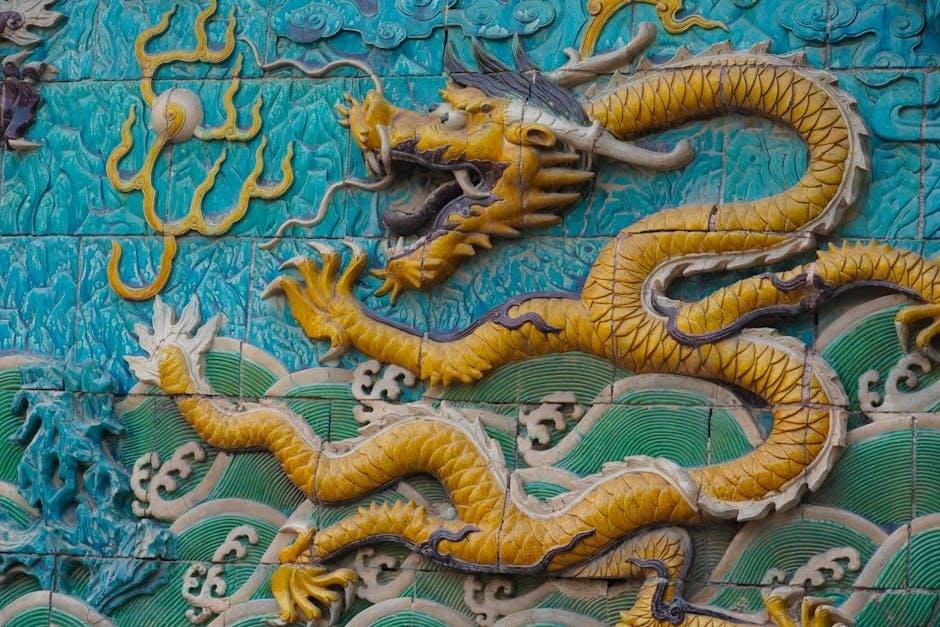
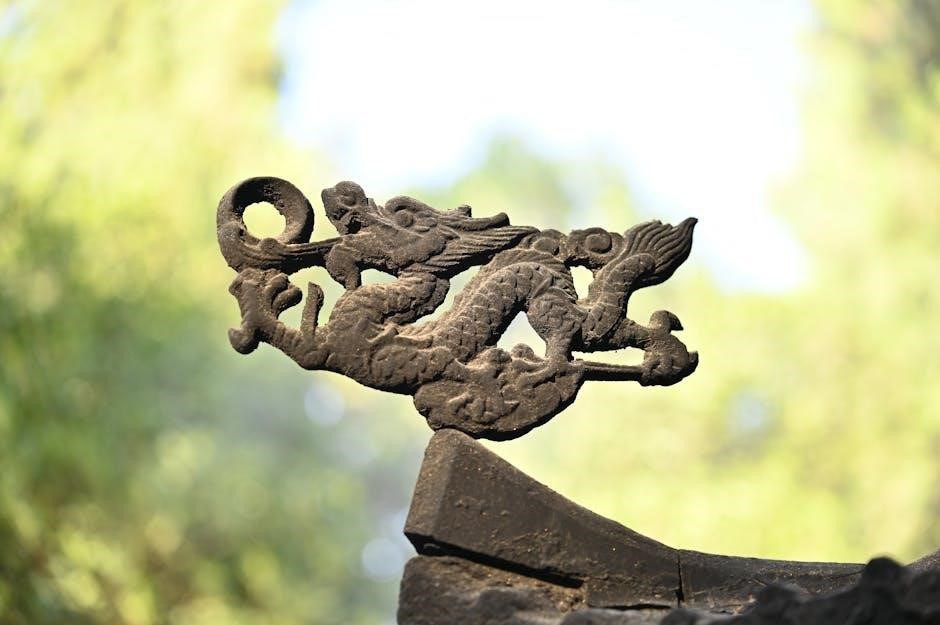
Eastern dragons, particularly in Chinese, Japanese, and Korean cultures, diverge significantly from their Western counterparts, embodying benevolence and good fortune rather than malice. Chinese dragons, or long, are revered as divine beings controlling water, rainfall, and rivers – essential for agricultural prosperity.
These serpentine creatures, often depicted without wings but capable of flight, symbolize imperial power and wisdom. Japanese dragons, influenced by Chinese lore, share similar attributes, frequently associated with Shinto shrines and water deities. Korean dragons, too, are benevolent, often linked to agriculture and rainfall.
Unlike the treasure-hoarding Western dragons, Eastern dragons accumulate knowledge and represent cosmic energy. Their appearance often signifies positive change and auspicious events. The absence of a consistent “villain” archetype, as noted by HISTORY, highlights a fundamental difference in cultural perception.
Variations in color and form denote different powers and responsibilities, further illustrating the nuanced role of dragons in Eastern mythology.
Middle Eastern and Mesoamerican Dragons
Middle Eastern and Mesoamerican dragon lore presents fascinating, often overlooked variations on the global dragon archetype. In Mesopotamian mythology, creatures like Tiamat, a primordial goddess depicted as a dragon or serpent, represent chaos and the forces of creation. Her defeat by Marduk symbolizes order emerging from primordial disorder.
Similarly, in ancient Persia, Azhi Dahaka, a three-headed dragon, embodies evil and destruction, requiring heroic intervention. Mesoamerican cultures, particularly the Aztec and Maya, featured feathered serpent deities like Quetzalcoatl and Kukulkan, blending avian and reptilian features.
These deities weren’t inherently malevolent; instead, they represented knowledge, creation, and the cyclical nature of time. The connection to water and the sky is prevalent, mirroring themes found in Eastern dragon traditions.

These diverse representations, echoing the archetypal villain concept explored by HISTORY, demonstrate the adaptability of the dragon motif across geographically and culturally distinct societies.
Dragon Behavior and Ecology
Dragons, apex predators, exhibit complex behaviors tied to their environments. Territories are fiercely defended, diets vary greatly, and social structures, though often solitary, involve elaborate mating rituals.
Habitat and Territories
Dragon habitats are remarkably diverse, reflecting their adaptability and power. While often associated with mountainous regions – providing vantage points and access to caves for nesting – they aren’t limited to such locales.
Some species thrive in dense forests, utilizing the cover for ambushes, while others inhabit volcanic regions, seemingly immune to extreme heat. Coastal dragons are also documented, establishing territories along rugged shorelines and utilizing underwater caves.
Territories are fiercely guarded, often encompassing vast areas depending on the dragon’s size and the availability of prey. These boundaries are marked not only by physical displays of dominance – such as claw marks on rocks or scorched earth – but also by potent scent markings.
Intruders, whether other dragons or large creatures, are met with aggressive displays, escalating to aerial combat if necessary. The size of a territory directly correlates with the dragon’s resource needs, ensuring a sustainable food supply and secure breeding grounds.
Older, more powerful dragons typically command larger, more resource-rich territories.
Diet and Hunting Strategies

Dragons are apex predators with incredibly varied diets, largely dictated by their size, habitat, and species. While commonly depicted consuming livestock or terrorizing villages, their primary food source is typically large game – including elk, bears, and even whales for coastal varieties.
Hunting strategies are equally diverse. Some dragons employ ambush tactics, utilizing camouflage and powerful bursts of speed to overwhelm prey. Others prefer aerial hunting, soaring at great heights before diving upon unsuspecting targets.
Fire breath, when present, isn’t solely a weapon; it’s also used to flush out prey from hiding or to cook carcasses, tenderizing tough hides. Dragons possess incredibly strong digestive systems, capable of dissolving bone and extracting maximum nutrients.
They often cache excess food in their lairs, creating stockpiles for leaner times. Scavenging is also common, particularly for younger or weaker dragons. The consumption of magical creatures is rumored to enhance a dragon’s own power, though this remains largely anecdotal.
Dragons require substantial caloric intake to sustain their massive size and energy expenditure.
Social Structures and Mating Rituals
Dragon social structures are surprisingly complex, varying significantly between species and geographical locations. Many dragons are solitary creatures, fiercely territorial and only interacting during mating season. However, some species exhibit communal living, forming loose clans centered around a dominant matriarch or patriarch.
Mating rituals are elaborate and often involve displays of strength, aerial acrobatics, and the presentation of valuable gifts – typically gold, jewels, or rare artifacts. These displays serve to assess the fitness of potential mates.
Pair bonding can last a lifetime, with dragons fiercely protecting their offspring. Clutch sizes vary, but typically range from one to five eggs, incubated using geothermal heat or the dragon’s own body warmth.
Young dragons, or whelps, require extensive parental care, learning hunting techniques and survival skills over several decades. Sibling rivalry is common, with the strongest whelps often dominating resources. The establishment of a new territory is a crucial rite of passage for adolescent dragons.

Dragons and Humanity: Interactions and Symbolism
Throughout history, dragons have embodied duality – representing both terrifying villains and benevolent guardians in countless narratives, profoundly impacting art and folklore.
Their symbolism reflects cultural anxieties and aspirations, showcasing power, chaos, and wisdom, as explored by HISTORY’s analysis of myths.
Dragons as Villains and Guardians
The portrayal of dragons is remarkably multifaceted, oscillating between monstrous villains and noble protectors across global mythologies. Often depicted as hoarders of treasure and destroyers of kingdoms, dragons embody greed, chaos, and untamed power, requiring heroic intervention.
However, this is not the complete picture. In many cultures, particularly in the East, dragons are revered as benevolent deities, symbols of good fortune, wisdom, and prosperity. They control weather, safeguard sacred sites, and offer guidance to humanity.
This duality, as highlighted by HISTORY’s exploration of dragon myths, suggests a deeper psychological resonance. Dragons may represent the primal forces within ourselves – both destructive and creative – requiring balance and control.
The role a dragon assumes often depends on the cultural context and the narrative’s specific needs, showcasing their adaptability as potent symbolic figures. Whether vanquished or venerated, dragons consistently command attention and inspire awe.
Dragons in Art, Literature, and Folklore
Throughout history, dragons have profoundly influenced artistic expression, literary narratives, and the rich tapestry of folklore worldwide. From ancient cave paintings to modern fantasy novels, their image consistently evokes wonder and fear.
In European art, dragons frequently symbolize evil, often depicted as serpentine beasts battling valiant knights – a motif popularized in medieval romances. Conversely, Eastern art portrays dragons as majestic, serpentine beings associated with emperors and natural forces.
Literature, building upon these visual representations, expands upon dragon lore. From Beowulf’s fearsome antagonist to Smaug in Tolkien’s The Hobbit, dragons serve as compelling characters, driving plot and exploring themes of greed and courage.
As HISTORY notes regarding the archetypal nature of dragons, folklore reinforces their enduring presence, with tales passed down through generations, shaping cultural beliefs and inspiring countless adaptations. Their continued relevance demonstrates their powerful hold on the human imagination.
The Cultural Significance of Dragon Symbolism
Dragon symbolism varies dramatically across cultures, reflecting deeply ingrained beliefs and societal values. In Western traditions, often stemming from Judeo-Christian influences, dragons frequently represent chaos, sin, and the forces opposing good – a villainous archetype.
However, this isn’t universal. Eastern cultures, particularly in China, view dragons as benevolent creatures embodying power, wisdom, and good fortune, intrinsically linked to emperors and rainfall. This positive association highlights a fundamental difference in perception.
As explored by HISTORY, the widespread appearance of dragons suggests a universal human need to personify powerful, untamed forces. They can symbolize both destructive potential and creative energy, representing life’s dualities.
Furthermore, dragons often signify transformation and rebirth, shedding their skin to symbolize renewal. Their enduring presence in mythology and art underscores their profound impact on the human psyche, embodying both our fears and aspirations.